Meta Built Sunglasses That Talk Back, And That May Be the Next Computer
The Silicon Valley giant nobody asked to watch the world just made glasses people might actually wear. "VR" was a flop, these may not be.
Meta has spent years trying to put computers on people’s faces. Most of those attempts looked like science projects. The new ones look like sunglasses.
That is, more or less, the whole story...and it matters.
In June, Meta and EssilorLuxottica launched a cheaper line simply called Meta Glasses. They start at $299. They come in ordinary shapes: rectangles, squares, slim ovals with sunglass, transition, polarized, or clear lenses. They have a camera, speakers that sit by the ear, and a button for Meta’s AI assistant. They are sold at LensCrafters, Sunglass Hut, Best Buy, and Amazon. They look like glasses first and gadgets second.
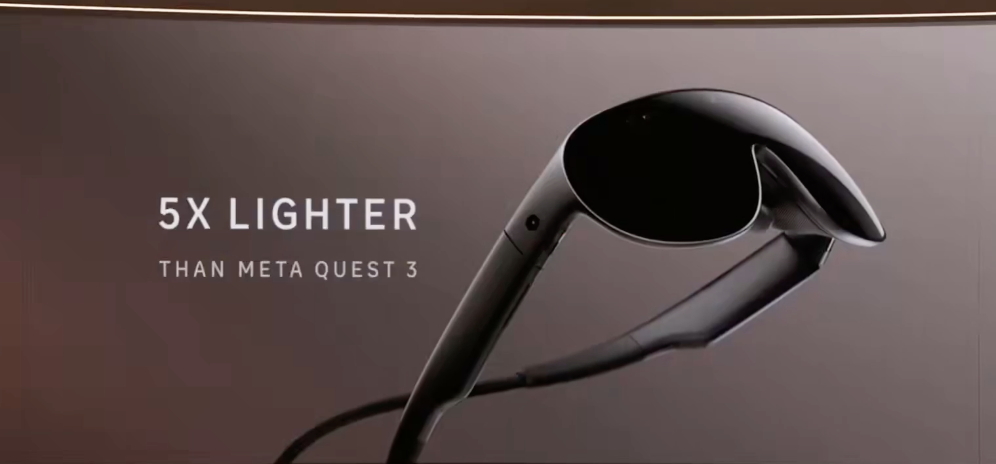
At Meta Connect in September 2026, the company doubled down. Ray-Ban Meta Audio glasses drop the camera entirely. They weigh about 43 grams, last up to 12 hours, and come in familiar Clubmaster and Burbank styles. The third-generation Ray-Ban Meta frames are slimmer than last year’s models and add Aviators. Meta also showed VR glasses that sit on the nose like oversized shades instead of a helmet. The message is consistent: if people are going to wear computers, those computers have to look like eyewear.
Big Tech has a habit of forcing the public to adapt to its toys. Phones got bigger. Apps got nosier. Social networks turned into data farms. Skepticism is earned. A company that built its fortune on tracking people now wants a camera next to their eyes. Privacy questions do not vanish because the frames look nicer. A light on the glasses does not settle every concern.
Even so, the form factor is hard to argue with. Keyboards and mice were never going to last forever. Phones already pulled computing off the desk and into the pocket. The next step is not another slab of glass in the hand. It is something that leaves the hands free and the eyes on the road, the shop, or the kids. Audio in the ear, a voice assistant, a camera when wanted, and later a display when the technology is thin enough, that is the path the industry has been circling for a decade.
Meta got there by partnering with people who already know how to make sunglasses people buy. Ray-Ban and Oakley sell fashion, not circuit boards. Meta copied that lesson. The glasses work as sunglasses even if the battery dies. That is why millions of pairs have already sold, and why competitors from Google to Snap are chasing the same silhouette.
Nobody has to like the company. Nobody has to trust the AI. The hardware argument is simpler. If computing is going to leave the pocket, it will leave as glasses that look like glasses. Meta, like it or not, built the version that people might put on in the morning and forget they are wearing.
Sources / More reading
https://www.meta.com/blog/ray-ban-meta-audio-and-deepest-ai-glasses-lineup/
https://techcrunch.com/2026/06/23/meta-debuts-new-cheaper-smart-glasses-under-its-own-brand/
https://www.theverge.com/tech/999281/ray-ban-meta-audio-glasses-meta-connect-2026
https://www.wired.com/story/metas-answer-to-the-meta-creep-camera-free-smart-glasses/
https://www.engadget.com/2199519/meta-ai-glasses-hands-on-kylie-jenner-edition/
https://www.uploadvr.com/meta-launches-cheaper-smart-glasses-without-ray-ban-branding/
https://www.macrumors.com/2026/06/23/meta-launches-its-own-299-smart-glasses/
https://www.gsmarena.com/meta_glasses_unveiled_in_partnership_with_essilorluxottica-news-73413.php
https://www.theverge.com/tech/999517/meta-vr-glasses-connect-2026-hands-on